
PLBs, Satellite Messengers, and Satellite-Enabled Phones Explained
When operating outside cellular coverage, your ability to call for help depends on four critical factors:
- Satellite network coverage
- How your identity and contacts are tied to the signal
- Battery availability when you need it
- And whether you have redundancy built into your plan
Modern devices make remote communication easier than ever—but they are not equal. Understanding how each works, where signals go, and their limitations is essential to making an informed decision.
1. Personal Locator Beacons (PLBs)

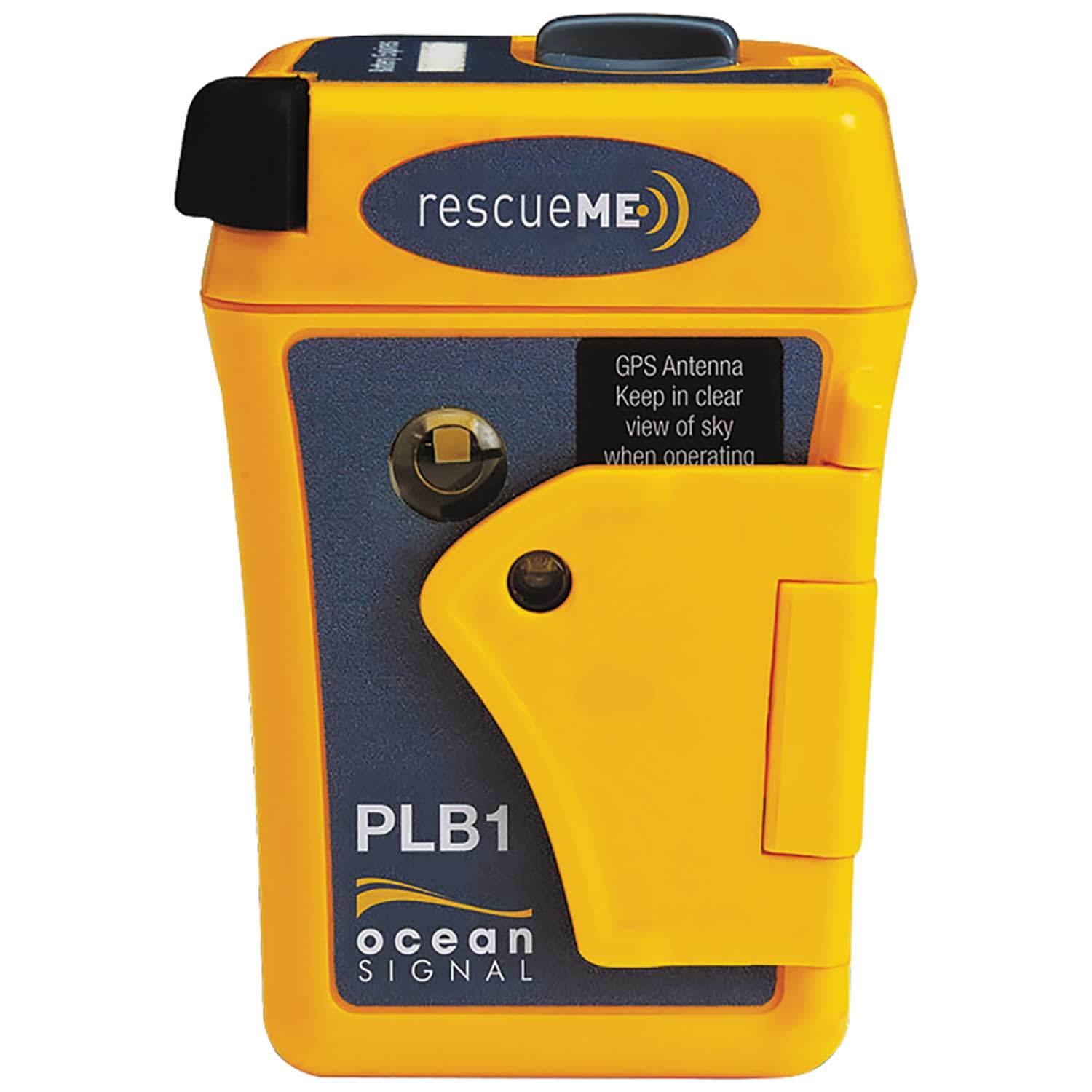
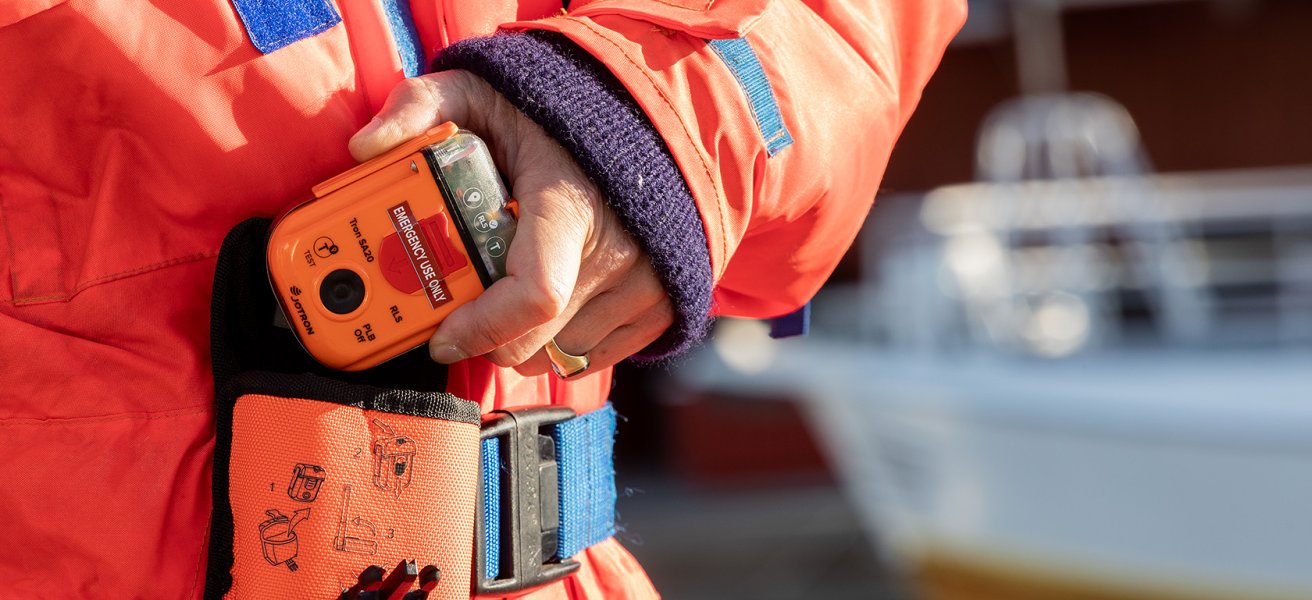
Satellite Network: COSPAS-SARSAT (Government System)
PLBs operate on the international COSPAS-SARSAT system—a government-run, non-commercial network designed specifically for distress alerts.
How They Work
- Activation sends a 406 MHz distress signal
- Signal is received by multiple satellite layers (LEO, GEO, MEO)
- Routed to a Rescue Coordination Center (RCC)
- RCC alerts local SAR / 911 responders
🔐 Mandatory Registration (Critical)
PLBs must be registered with NOAA (U.S.) or equivalent authority.
Registration Includes:
- Owner identity
- Emergency contacts
- Trip/activity details (recommended)
Why It Matters:
- RCC instantly identifies you
- Contacts are called to verify situation
- Response is faster and more accurate
⚠️ Unregistered devices create delays and uncertainty.
Battery & Power
- Shelf life: 5–7 years (no charging)
- Active transmission: 24+ hours continuous
- Always ready
Coverage & Limitations
- ✅ True global coverage (including polar regions)
- ⚠️ Requires clear sky view
- ❌ No communication back to rescuers
Costs
- Device: $300–$700
- Subscription: None
Summary
Best for: Maximum reliability, zero maintenance
Limitation: No communication capability
2. Satellite Messengers (Garmin, ZOLEO, SPOT, Bivy Stick)

Satellite Networks
- Iridium Communications
- Global coverage (including poles)
- Globalstar
- Regional coverage with gaps
How They Work
- Message or SOS sent via satellite
- Routed to a private emergency coordination center
- Center contacts local SAR / 911
- Two-way communication allows updates
🔐 Registration & User Profiles
Activation requires:
- Account setup
- Emergency contacts
- Subscription plan
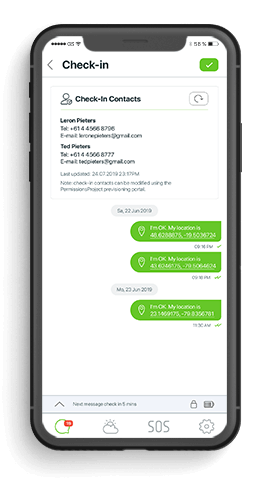
📲 Automatic Contact Notification
Many devices allow:
- Automatic SMS/email alerts to contacts
- “Check-in” messages
- Live tracking links
👉 This creates parallel awareness:
- Authorities respond
- Your contacts are immediately informed
Battery & Usability Reality
Battery
- 5–14 days typical
- Recharge via USB
- Heavy use reduces runtime
Bluetooth & Messaging Limitations
Many devices:
- Pair with smartphones via Bluetooth
- Use apps for messaging
Real-World Impact:
- Typing on device: slow and awkward
- Typing via phone: easy but drains phone battery
👉 You are often managing two devices and two batteries
Coverage Limitations
Iridium
- Near-total global coverage
Globalstar
- Gaps in:
- Polar regions
- Remote ocean areas
- Some land regions
Costs
- Device: $150–$500
- Subscription: $12–$65/month
Summary
Best for: Most users—balance of capability and reliability
Limitation: Requires power management and subscription
3. Satellite-Enabled Smartphones & Carrier Networks
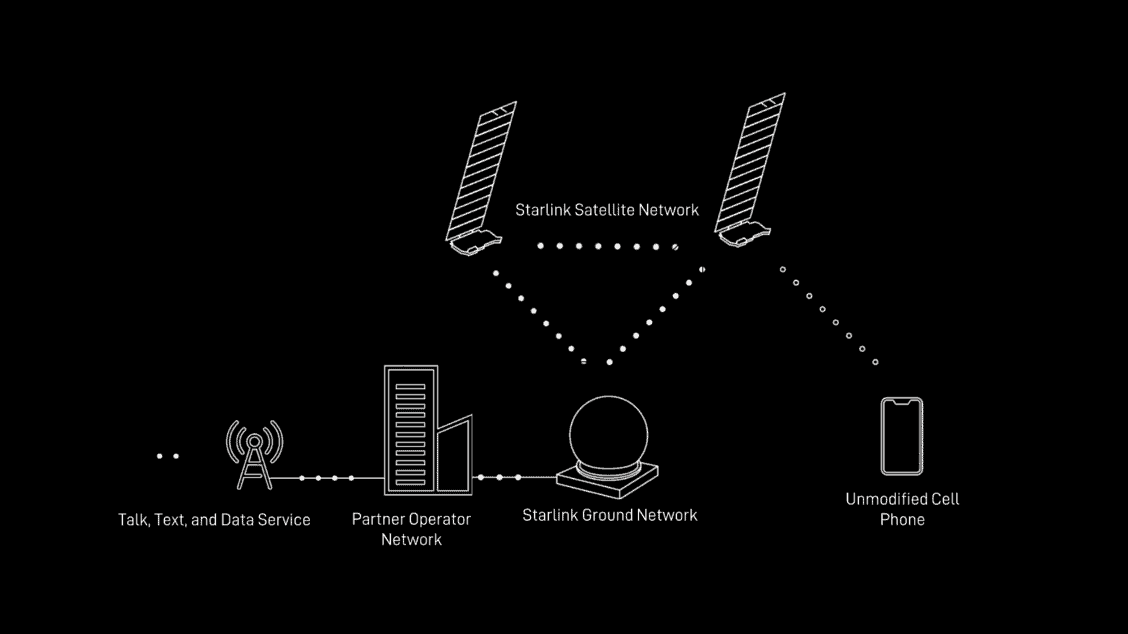
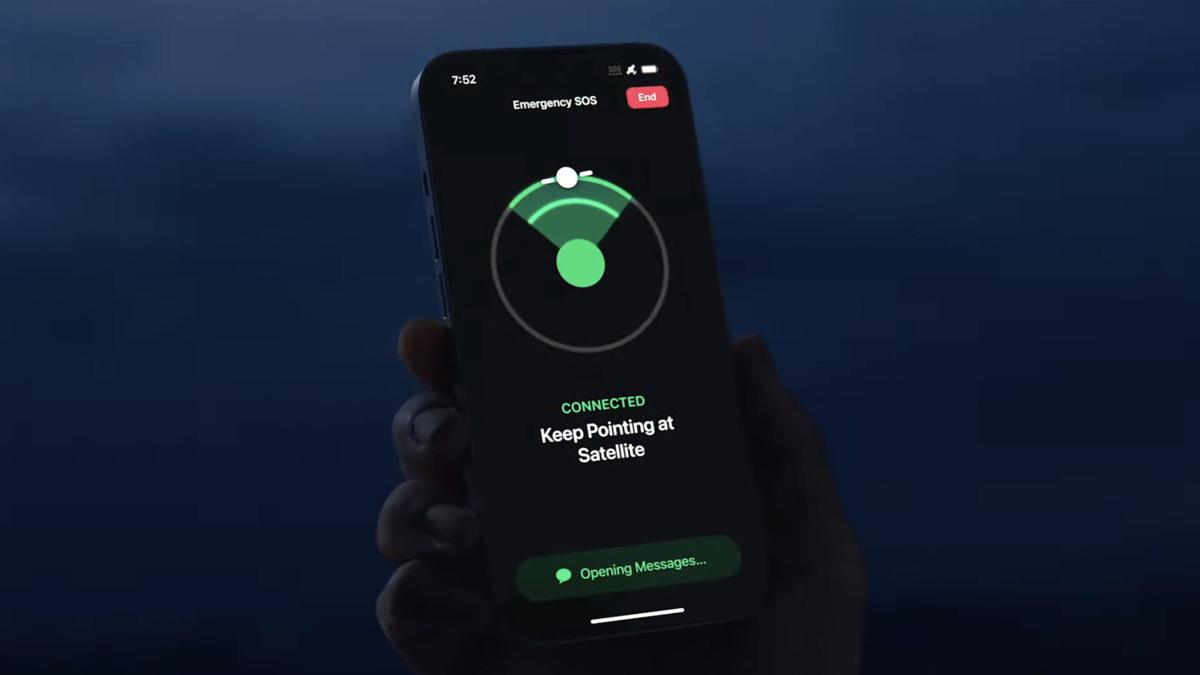
Satellite Systems
- Apple Inc. → Globalstar
- T-Mobile + SpaceX → Starlink
How They Work
- User initiates emergency message
- Phone connects to satellite (manual alignment often required)
- Message routed to relay center
- Passed to 911 / SAR
🔐 Identity & Contacts
- Uses phone/account data
- May prompt for emergency info during SOS
- Can share location with contacts
⚠️ Less structured than PLB or messenger systems
⚡ Battery Reality (Major Risk)
- Typical life: 1–2 days
- Heavy use drains faster
Hidden Drain
When out of coverage:
- Phone continuously searches for signal
- This significantly increases battery usage
✅ Mitigation
Use airplane mode:
- Stops signal searching
- Extends battery life dramatically
Limitations
- Limited messaging capability
- Slower connection process
- Still evolving technology
Costs
- Device: Included
- Service: Free (limited), evolving
Summary
Best for: Backup capability
Limitation: Battery and reliability
Comparison Table (Devices, Networks, Costs, Capability)
| Category | PLB | Messenger (Iridium) | Messenger (Globalstar) | Smartphone Satellite |
|---|---|---|---|---|
| Network | COSPAS-SARSAT | Iridium | Globalstar | Globalstar / Starlink |
| Coverage | Global | Global | Regional gaps | Limited |
| Messaging | ❌ | ✅ | ✅ | Limited |
| Subscription | None | Yes | Yes | TBD |
| Battery | 5–7 yrs standby | 5–14 days | 5–10 days | 1–2 days |
| Reliability | ⭐⭐⭐⭐⭐ | ⭐⭐⭐⭐ | ⭐⭐⭐ | ⭐⭐⭐ |
How Emergency Signals Reach Rescue Services
- PLB: Direct to government RCC → SAR
- Messenger: Satellite → private center → SAR
- Smartphone: Satellite → carrier → 911
👉 Fewer steps = higher reliability
PACE Communications: The Preparedness Standard
Owning a device is not enough. The most prepared individuals build redundancy using a:
PACE Communications Plan
What PACE Means
- Primary: Your main communication method
- Alternate: Backup if primary fails
- Contingency: Limited but usable option
- Emergency: Last-resort fail-safe
Example Remote Travel Setup
- Primary: Satellite messenger (Iridium)
- Alternate: Smartphone satellite SOS
- Contingency: General Mobile Radio Service (GMRS) radio
- Emergency: PLB
👉 This eliminates single points of failure
Two-Way Communication & Radio Integration
Two-way communication dramatically improves outcomes:
- Describe injuries
- Confirm status
- Receive instructions
- Adjust rescue response
📡 GMRS as a Contingency Layer
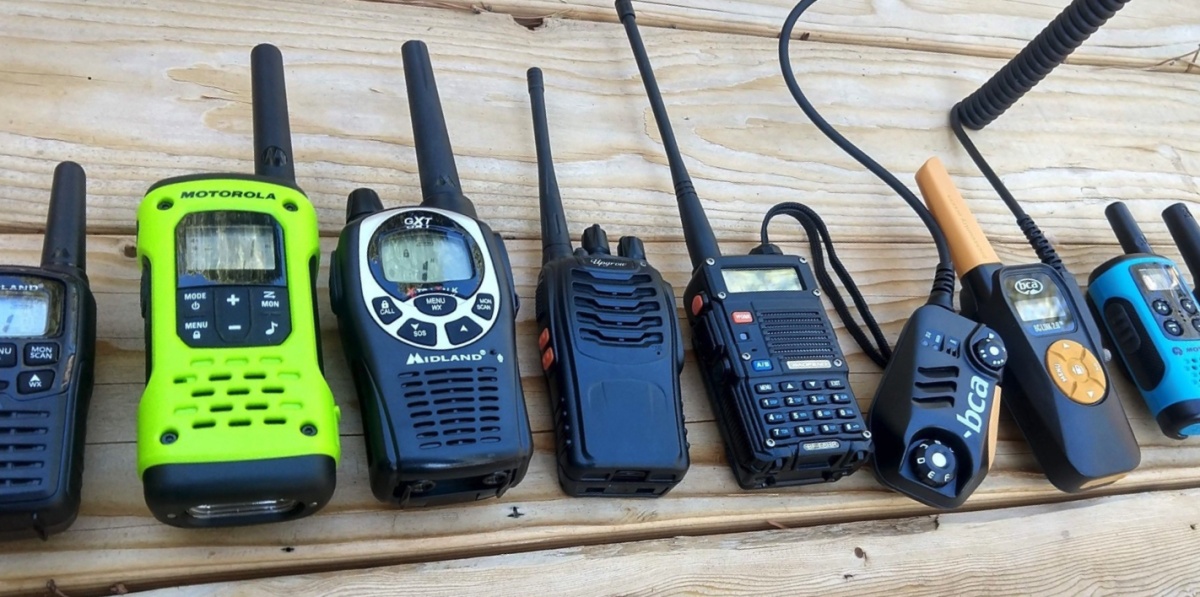
GMRS radios provide:
- Short-range communication (1–5+ miles terrain dependent)
- Direct coordination with search teams
How It Helps Rescue
If included in your plan:
- Provide designated channel/frequency
- Include in emergency contacts or trip plan
Search teams can:
- Attempt radio contact
- Use signal strength to pinpoint your location
👉 Especially useful during final approach or poor GPS accuracy
Battery & Failure Reality (Why PACE Matters)
Common real-world failures:
- Phone battery drained from searching for signal
- Messenger dependent on phone for usability
- Device damage or loss
👉 PACE ensures:
You still have options when things go wrong
Key Takeaways
- PLBs = most reliable, no maintenance, no communication
- Satellite messengers = best overall capability
- Smartphones = useful backup, not primary tool
- Battery management is critical
- Redundancy (PACE) is essential
- Radio adds a powerful short-range coordination layer
Bottom Line
Preparedness is not about a single device—it’s about building a resilient communication system.
The most effective setup combines:
- Reliable distress signaling (PLB)
- Two-way communication (satellite messenger)
- Redundant pathways (PACE plan)
- Local coordination tools (radio)
Because when it matters most:
Redundancy, communication, and planning—not just technology—determine survival.
See also
Which Beacon Should You Carry?
Seeing Through Everything (SAR)
Communications P.A.C.E.