
$22.99
3 in stock
Description
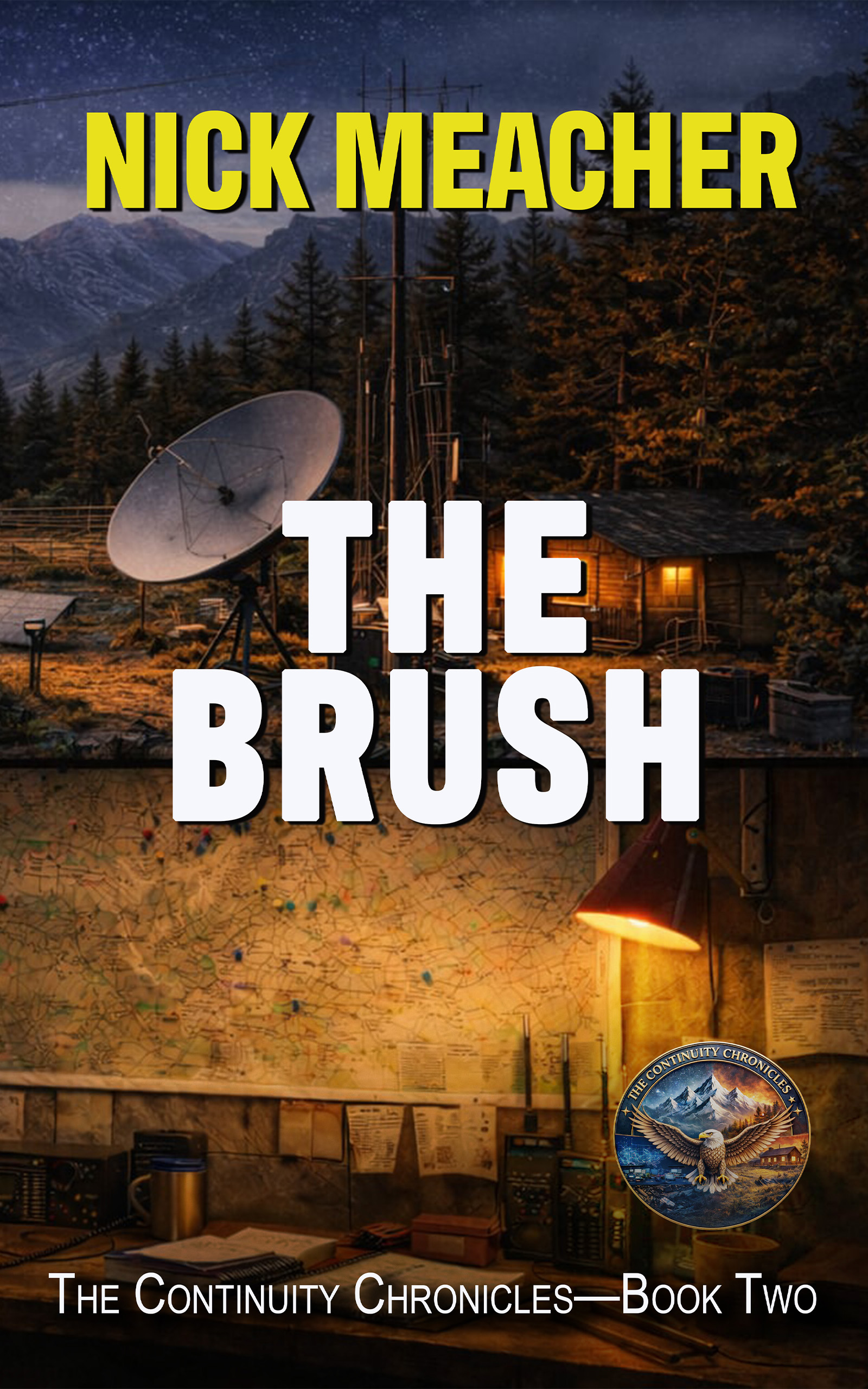
The world didn’t end.
It almost did.
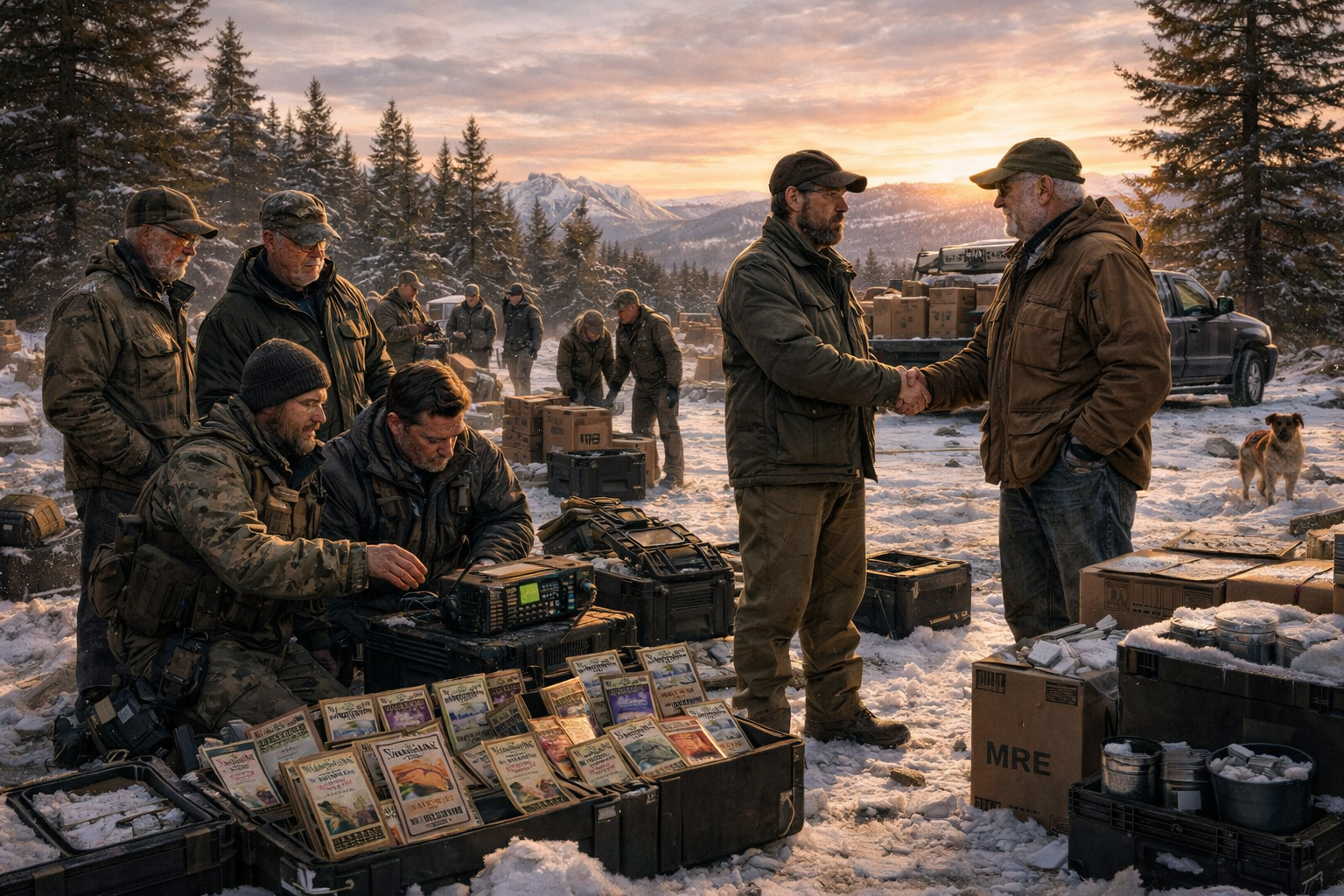
In The Meadow Protocol, a small group on a remote ranch proved that foresight, discipline, and preparation could keep them through the opening shocks of global instability. They trained. They planned. They adapted.
They also uncovered The Meadow—a hidden underground continuity complex designed for elites who expected to survive catastrophe in comfort, far from the consequences faced by everyone else.
In The Brush, readers learn what that title truly means.
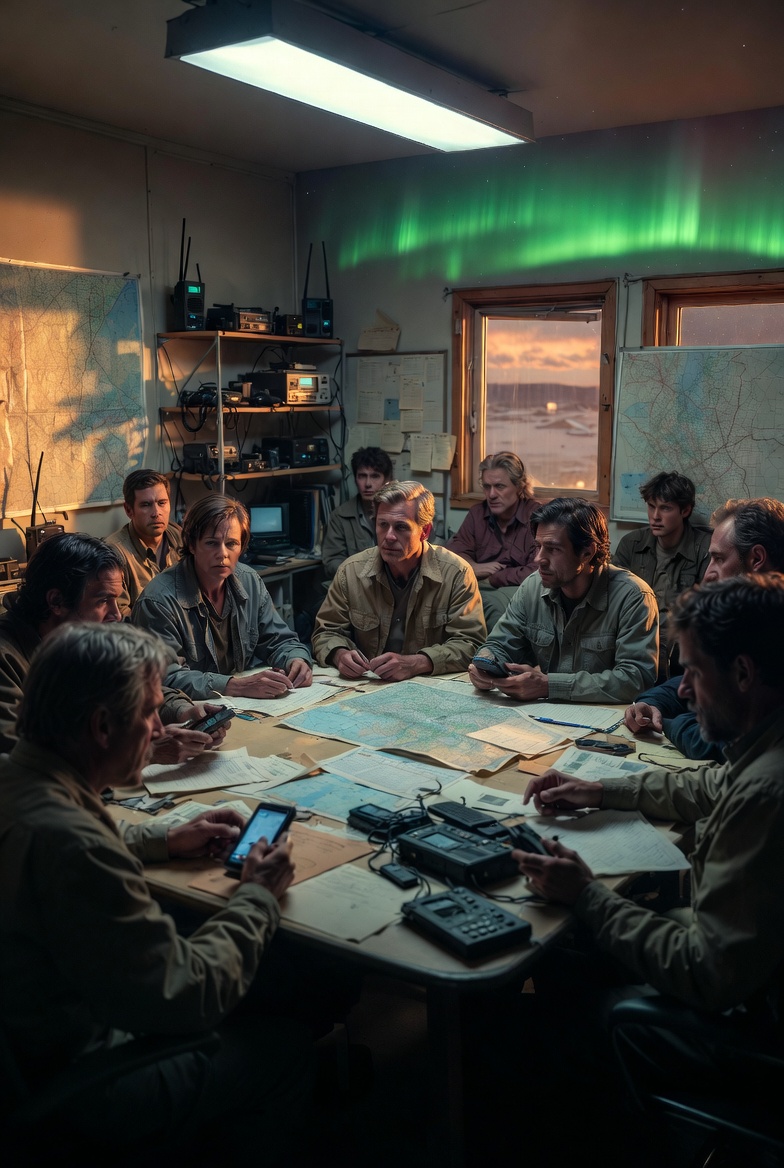
A massive coronal mass ejection—powerful enough to push civilization back to the Stone Age—missed Earth by a razor-thin margin. The grid did not collapse—but it was badly damaged. Power is unreliable. Communications are degraded. Satellites are lost or impaired. Supply chains fracture. Nearly everyone feels the impact, even as officials insist the worst has passed.
It hasn’t.
The near miss—the brush—changes behavior at every level. Markets convulse. Infrastructure shows how fragile it really is. Public trust erodes as the world realizes how close it came to irreversible failure. The discovery of places like The Meadow raises dangerous questions about who was meant to survive—and who was expendable.
For the people at the Ranch, this is no longer theory.
As pressure builds beyond the fence line, quiet preparedness gives way to decisive action. Scarcity increases. Information becomes weaponized. Outsiders—some desperate, some calculating—begin testing boundaries. Knowledge of the underground complex becomes both leverage and liability, drawing attention that cannot be ignored.
The Brush dives deeper into the realities of continuity and survival:
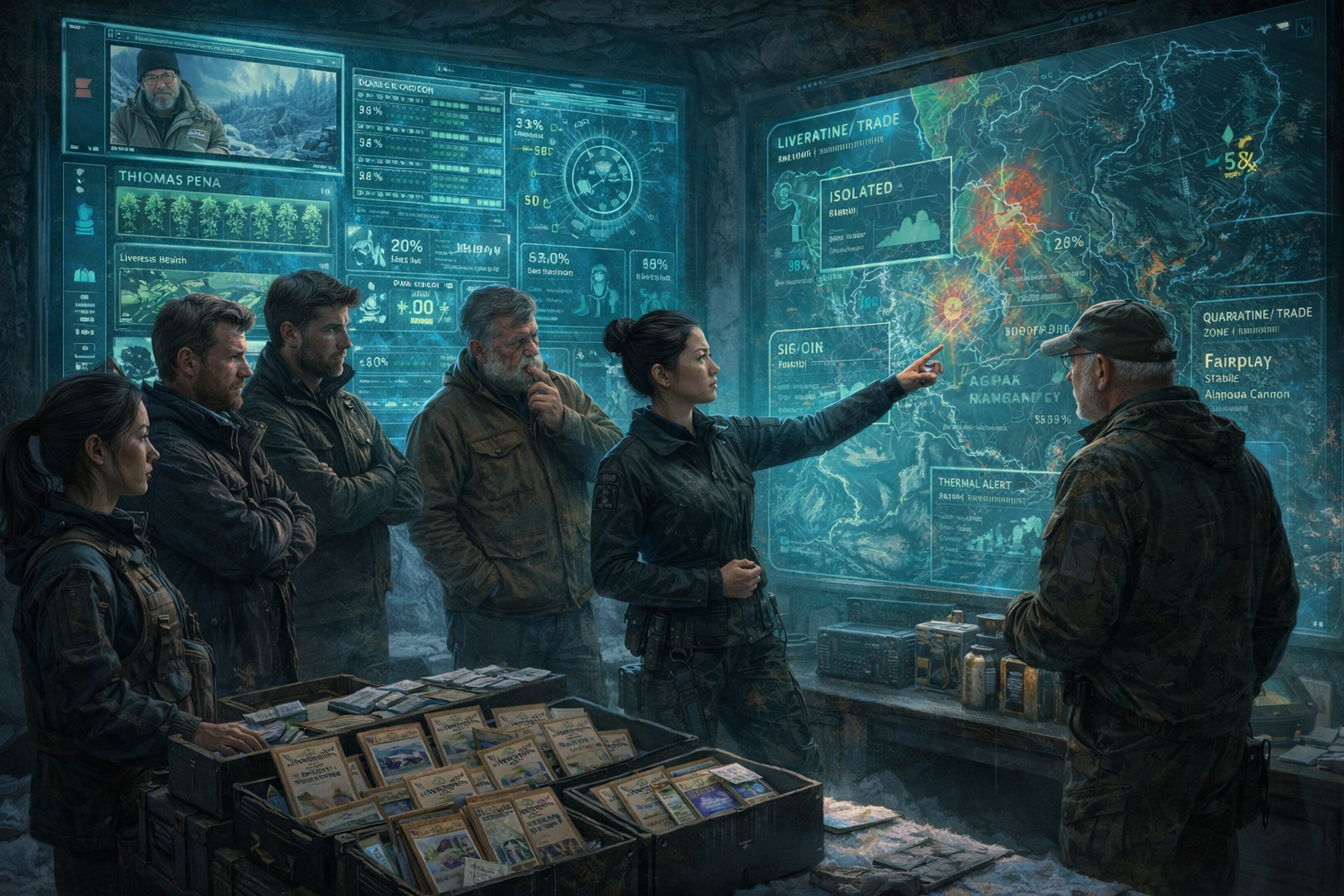
Real-world intelligence gathering and analysis
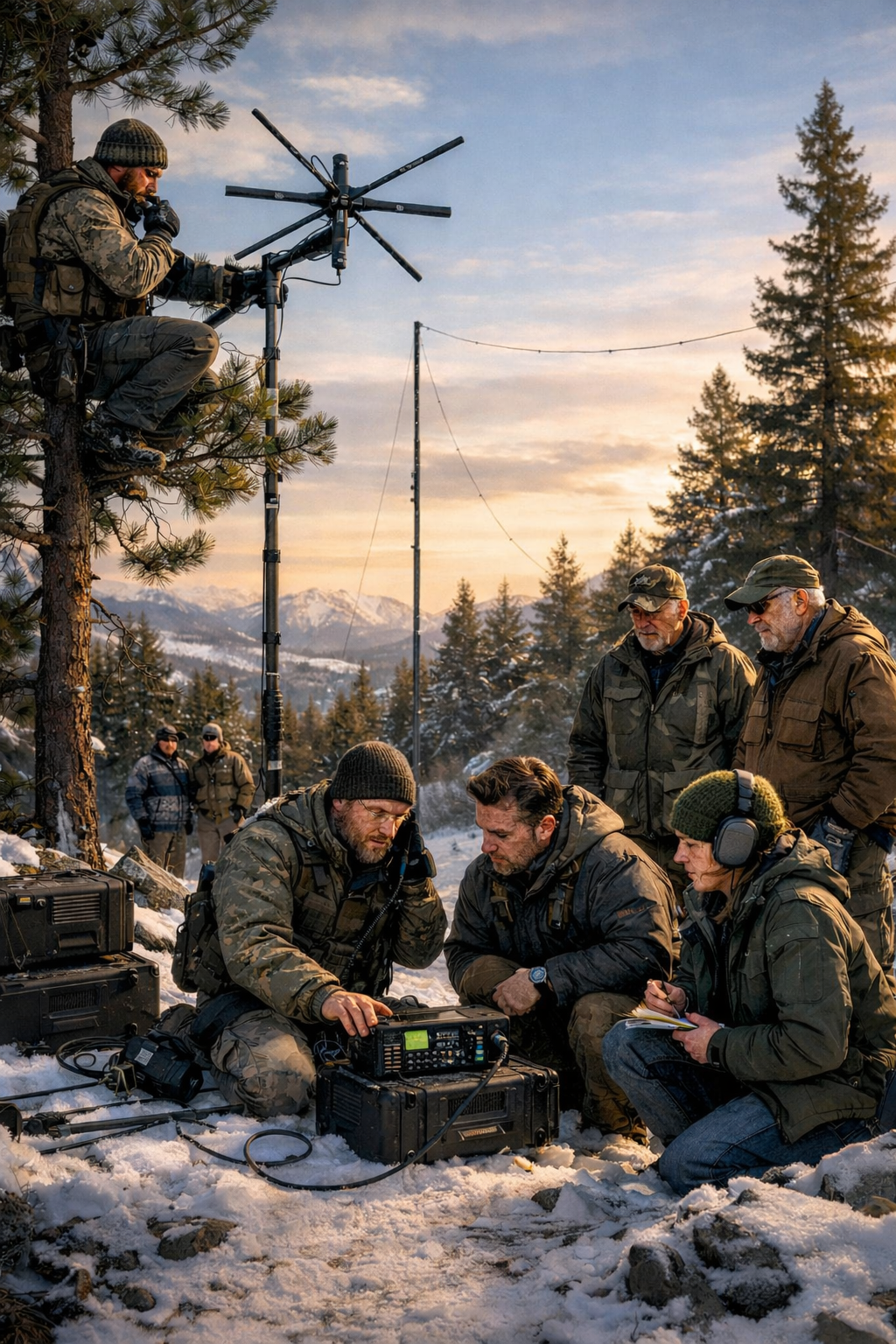
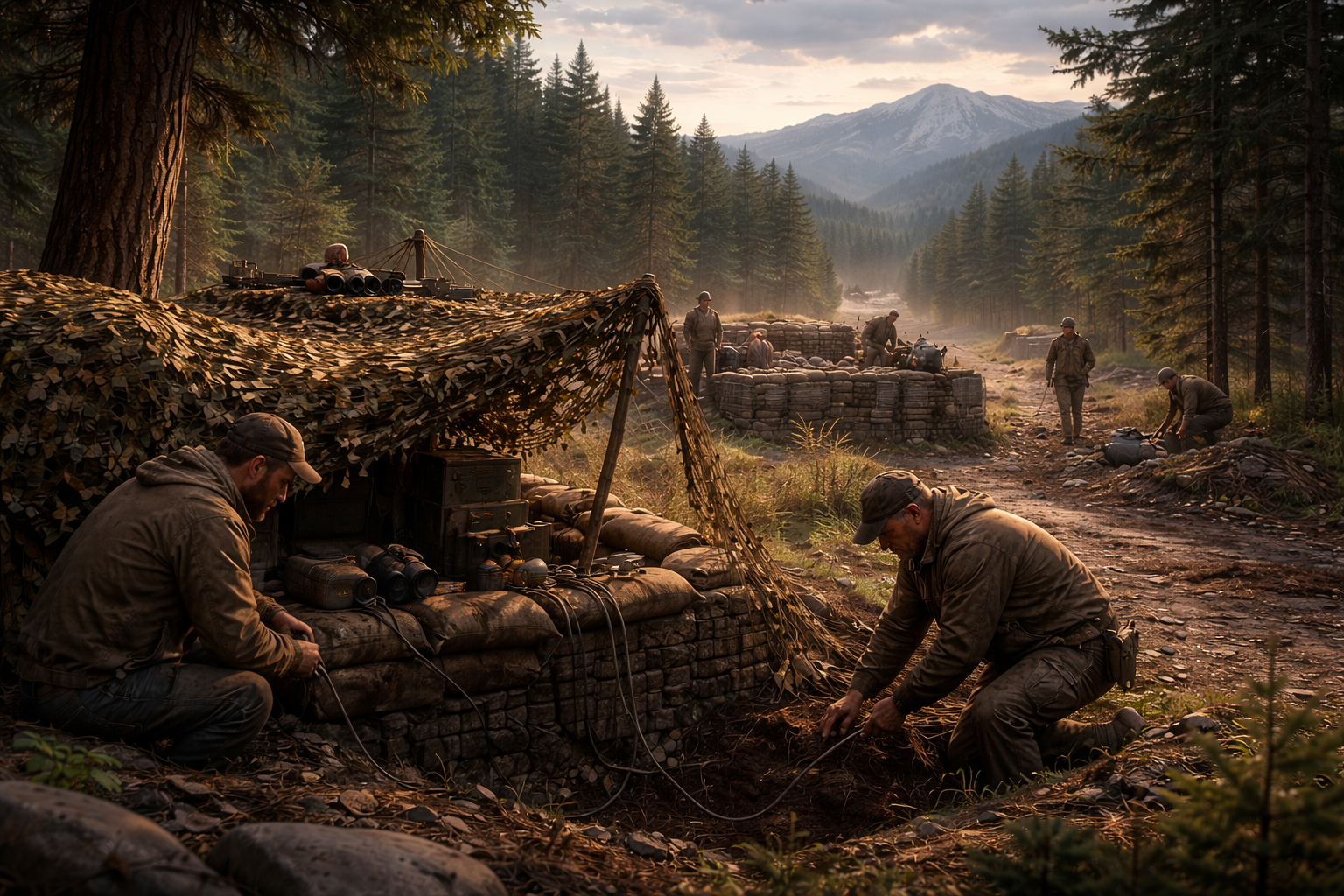
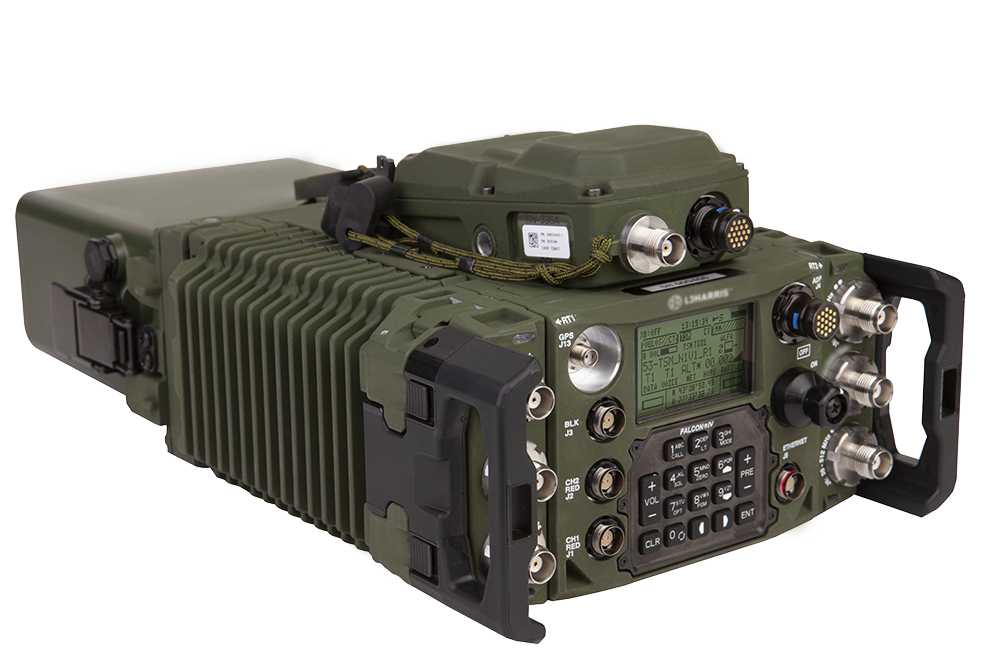
- Practical communications, surveillance, and security techniques
- Medical decision-making, logistics, and sustainment under stress
- Leadership, coordination, and human behavior when systems falter but don’t disappear
No magic technology.
No cinematic shortcuts.
No fictional skill sets.
Every tactic, procedure, and decision in the story is rooted in real-world practice—the kind used by professionals who understand that partial failure is often more dangerous than total collapse.
And while Americans struggle to stabilize what remains, others are watching closely.
Foreign powers maneuver. Rogue actors exploit chaos. Old rules dissolve as quiet moves are made to cripple what’s left of U.S. governance, military capability, and national cohesion—without firing a single obvious shot.
The CME was a warning.
What comes next may be intentional.
The Brush is a grounded techno-thriller for readers who know the most dangerous phase of any crisis isn’t the disaster itself—but the moment when enemies decide it’s time to finish the job.
Because survival isn’t just about enduring the strike—it’s about what you do when someone else sees your weakness.
Fortune Favors the Prepared
Semper Paratus, Semper Gumby